


After going through my hidden trigger series on heavy metals, mold, and glyphosate, I figured a series of follow-up articles on how to mitigate these toxins would be helpful.
They will be short and to the point, but packed with useful strategies I use for myself and family. Today’s post will be on mitigating mold in the home.
HVAC Units
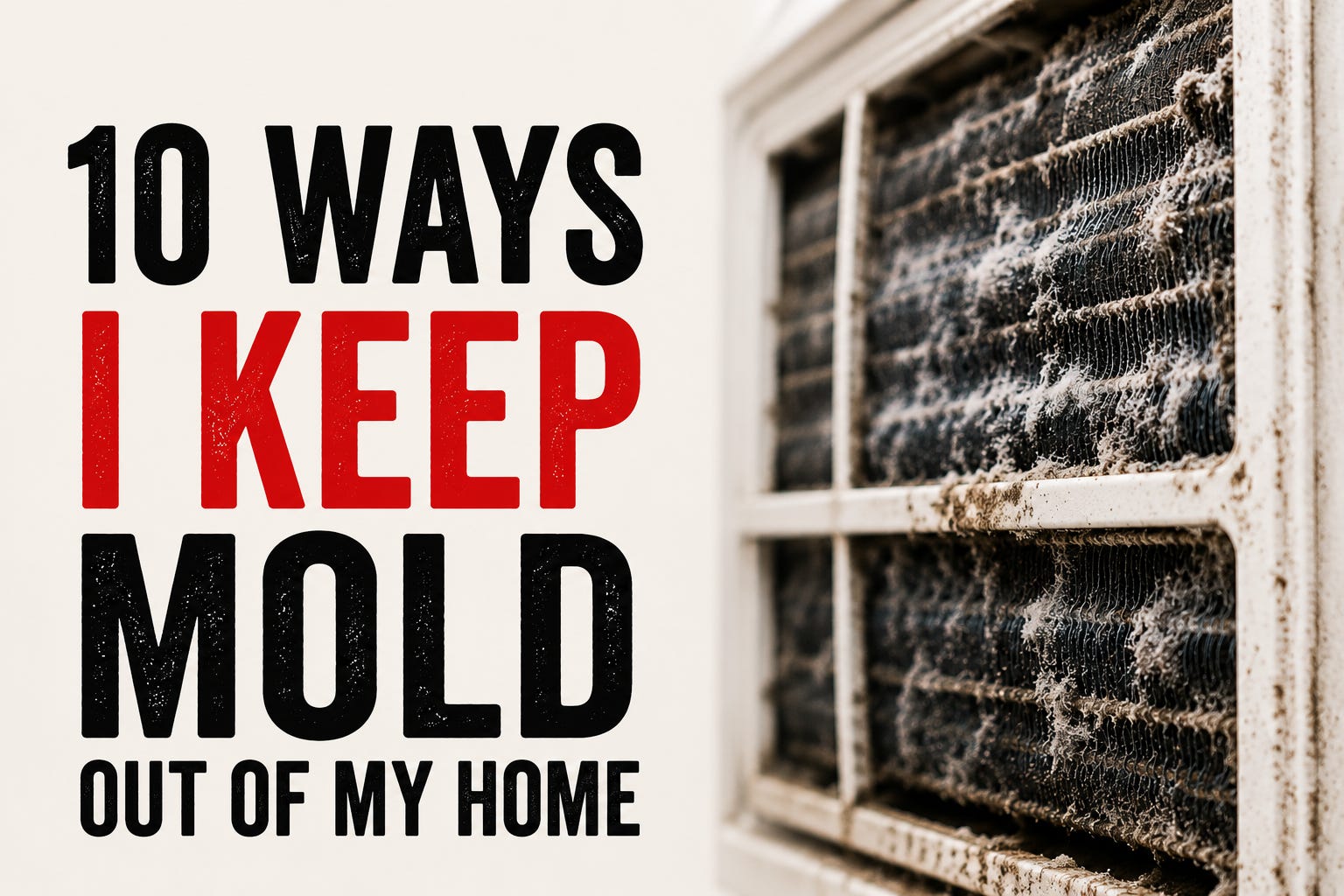
HVAC units are extremely common in the US, yet can be a major contributor to poor air quality in the home. The nature of air conditioning creates an almost perfect environment for mold growth: cool, damp, dark, and sometimes dusty. Mold thrives in darkness, needs water to grow, does well away from heat, and feeds off of the dust being pulled into the AC unit.
Pop open your average AC unit, and you will see mold growing throughout, especially near the coils, which create lots of condensation.
So how do we remedy this?
Step 1: Clean out your unit with a highly concentrated vinegar or hydrogen peroxide solution and paper towels. Hydrogen peroxide or vinegar are amazing cleaning solutions for mold. Make sure to really scrub out the caked-on mold, and definitely wear protection while doing so. You can also use the cleaning solution at the bottom of the article!
Step 2: Add a UV light to the coils or near the blower of the unit. Most HVAC techs sadly don’t know anything about mold or air quality, and will place UV lights in the vents of the unit. This will not prevent mold growth, nor will it clean the air traveling through the vent, since it’s too brief an exposure to make an impact. The UV light will prevent mold growth on the coils.
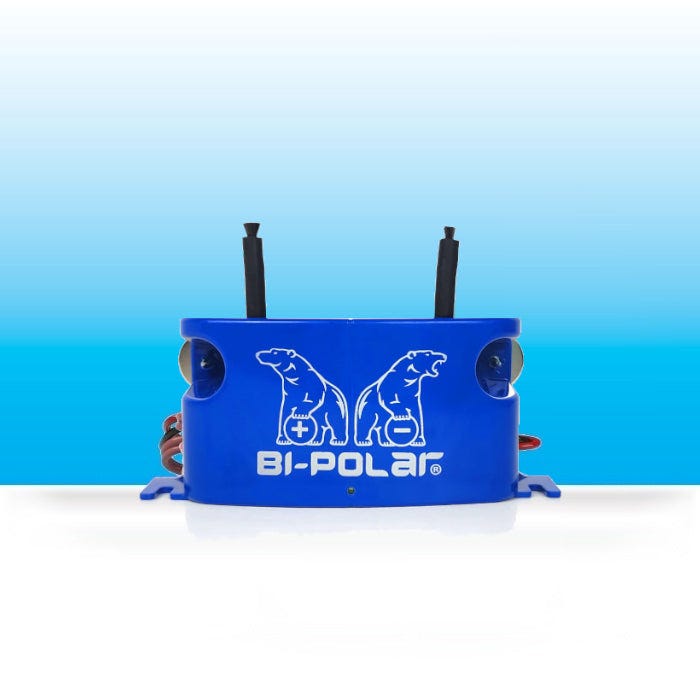
Step 3: My favorite solution is adding a bi-polar ionizer to the blower of your HVAC unit. The ionizer works by splitting water vapor into a positively charged hydrogen ion and a negatively charged oxygen ion. These ions clamp onto airborne particles like dust, mycotoxins, and allergens, making them heavier and forcing them to the ground. They are then deactivated, or “eroded,” as a result of reacting to the ions.
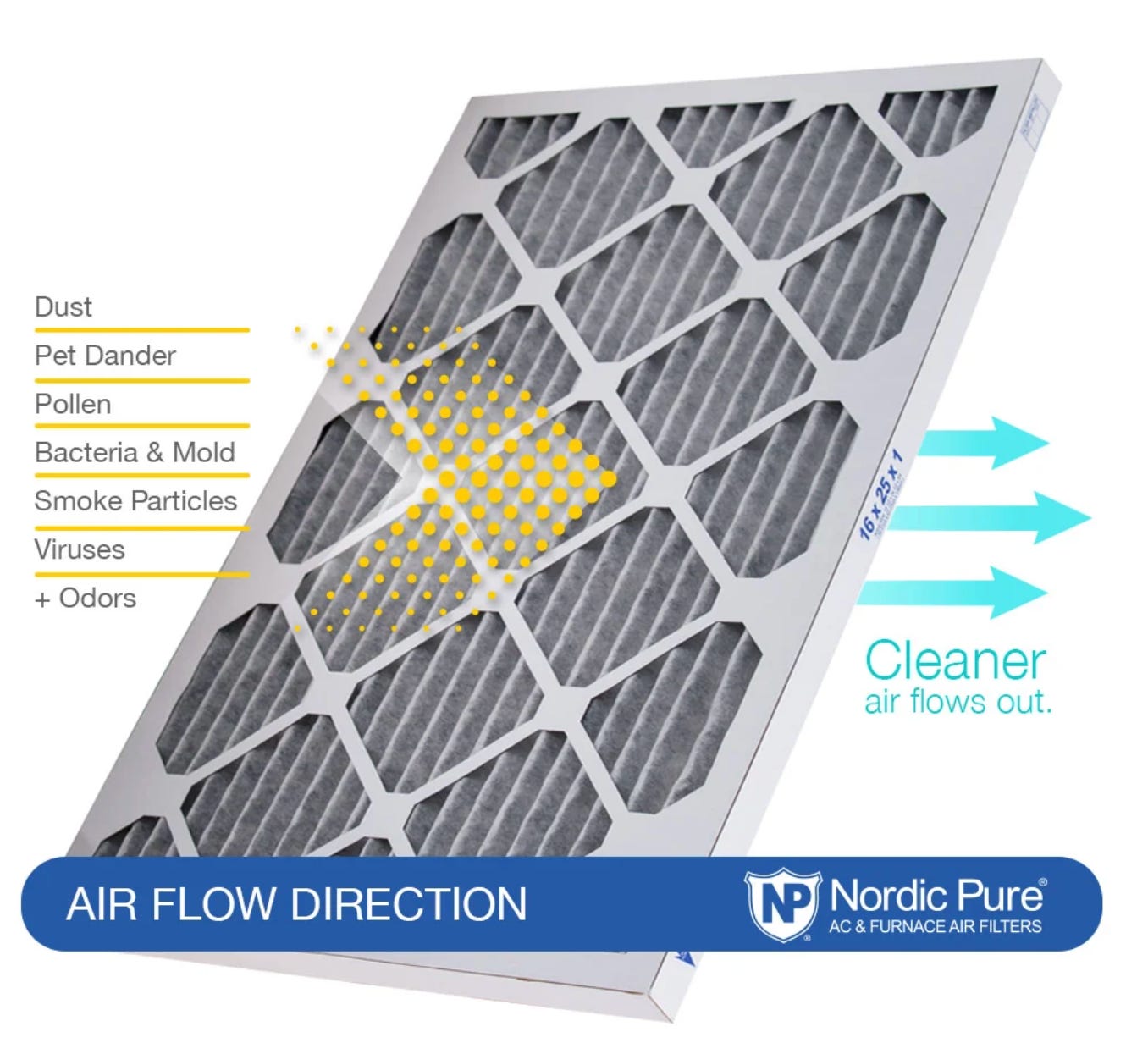
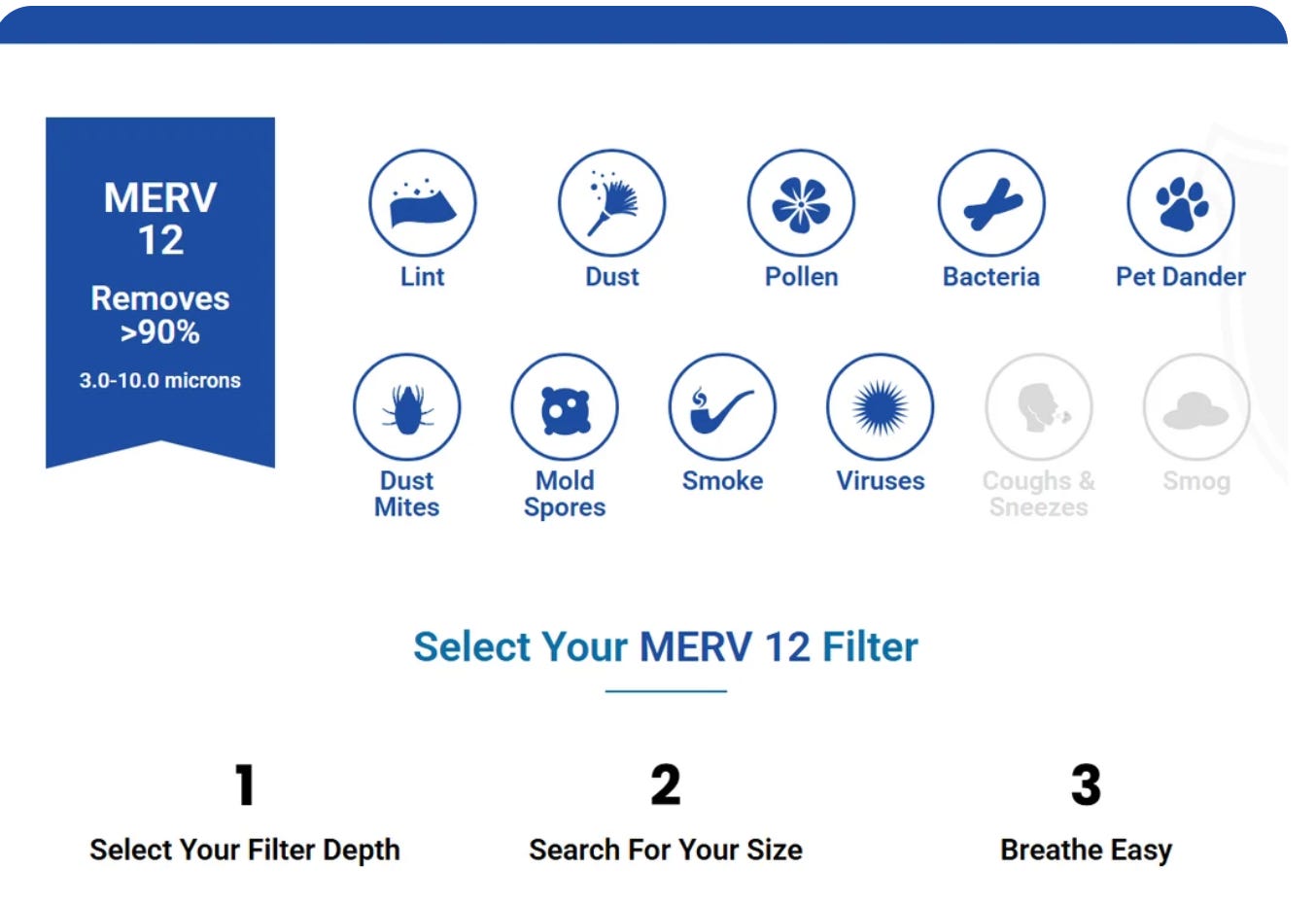
Step 4: Use MERV 10-13 filters in your return vents and HVAC unit. HVAC units move more air than all of your standalone HEPA filters in the house, so why not filter that air before it enters the unit? While it will slow down airflow, depending on the MERV rating you use, consider how dusty air builds up in your unit, ultimately making it less efficient anyway. If you fast forward five years on a brand new unit, and have one unit with filters and one without, the one with filters will be cleaner and more efficient in the long run. I like using MERV filters with carbon, for the double filtration whammy.
I use Nordic Pure filters with Carbon, you can get them on amazon.
Standalone air filters
Standalone air filters can be a great solution AFTER a clean HVAC unit. Think of the HVAC as the bathtub faucet, and standalone filters as the sink faucet; the HVAC is just gonna move way more air, but it always helps to have standalone filters in your house as well.
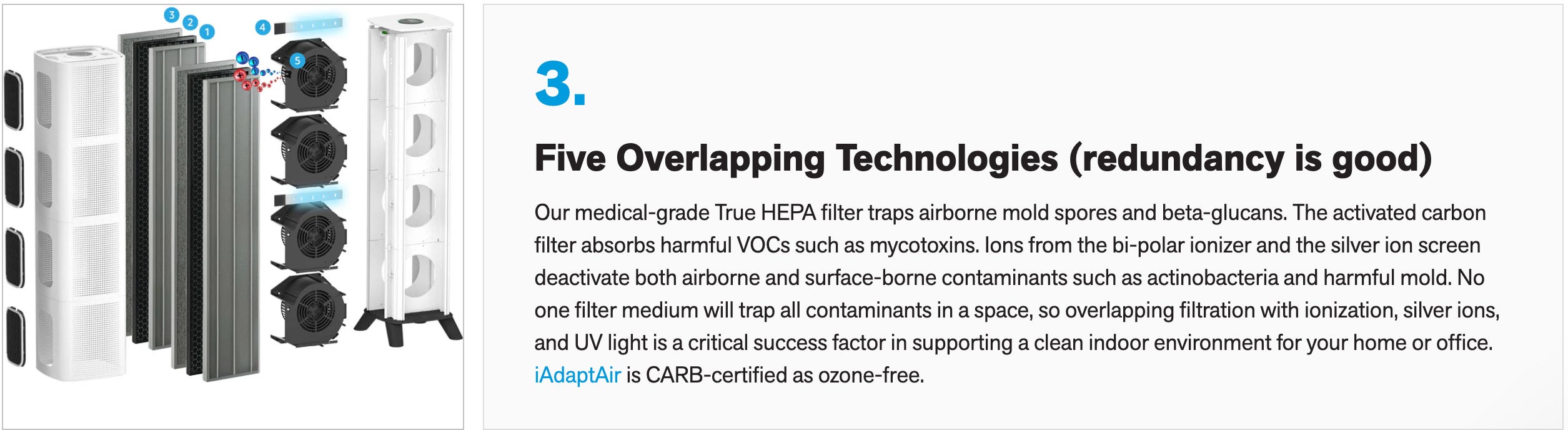
I personally have four. I bought three Air Doctors years ago and bought a Jasper last year; in hindsight, I wish I knew about Air Oasis beforehand. Their standalone units have five different air filtration mediums, many of which I just mentioned, including a true HEPA filter, an activated carbon filter, a bipolar ionizer, a silver ion screen, and UV light. These things are beasts; I shill them, and I don’t even own one (Air Oasis, wanna send me one for free?).
Circulating Air
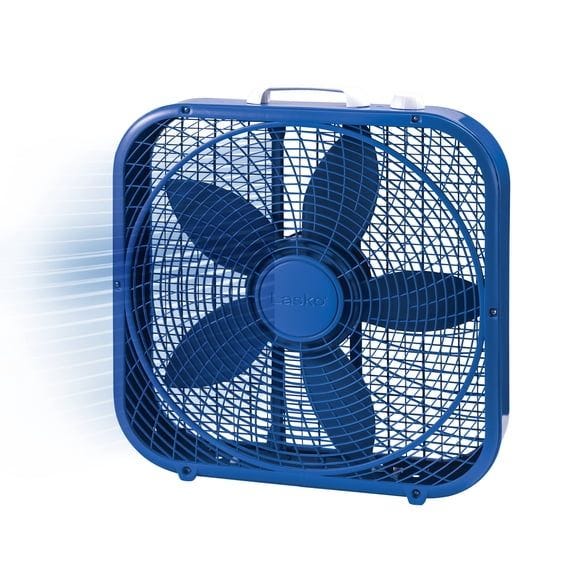
Stagnation is always a breeding ground for nasty stuff. Stagnant ponds have algae blooms; air that is stagnant harbors moisture, which feeds mold. Stagnation in nature is not ideal. A simple solution is just using a cheap Walmart box fan, keeping air always moving, and measuring humidity. Circulating air will lower humidity nine out of ten times. Circulate air anywhere you can, particularly in high-humidity spots like cellars, basements, or bathrooms.
If you’ve been sick for years, tried everything, and still have no answers, that’s exactly who I work with.
Come read my story, see if it sounds familiar, and book a free consult. It costs you nothing but 20 minutes. Visit littlewaycoach.com to book your consult!

Cleaning Solutions
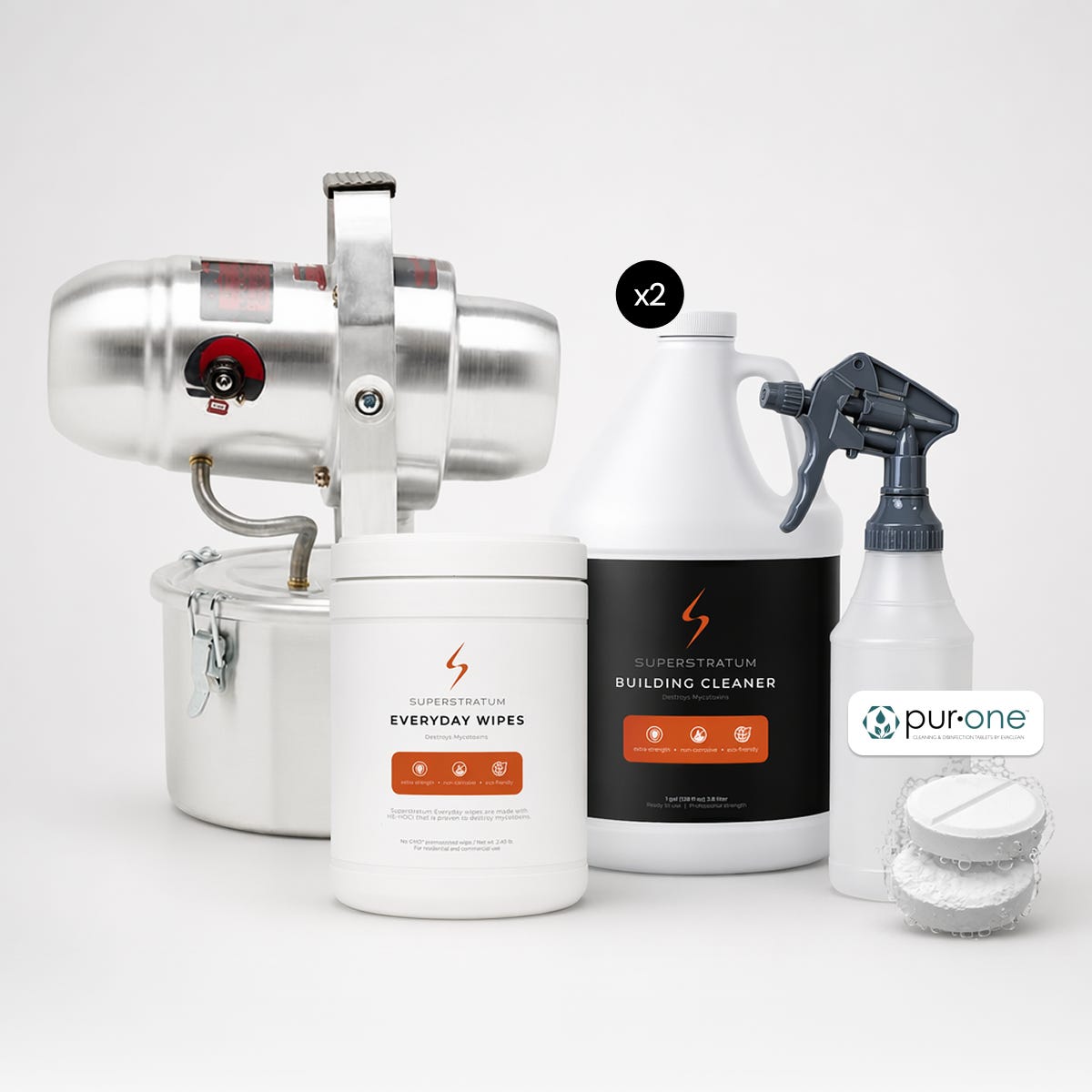
I found this company, Superstratum, a couple months ago, and they’ve got some of the coolest solutions in the mold industry.
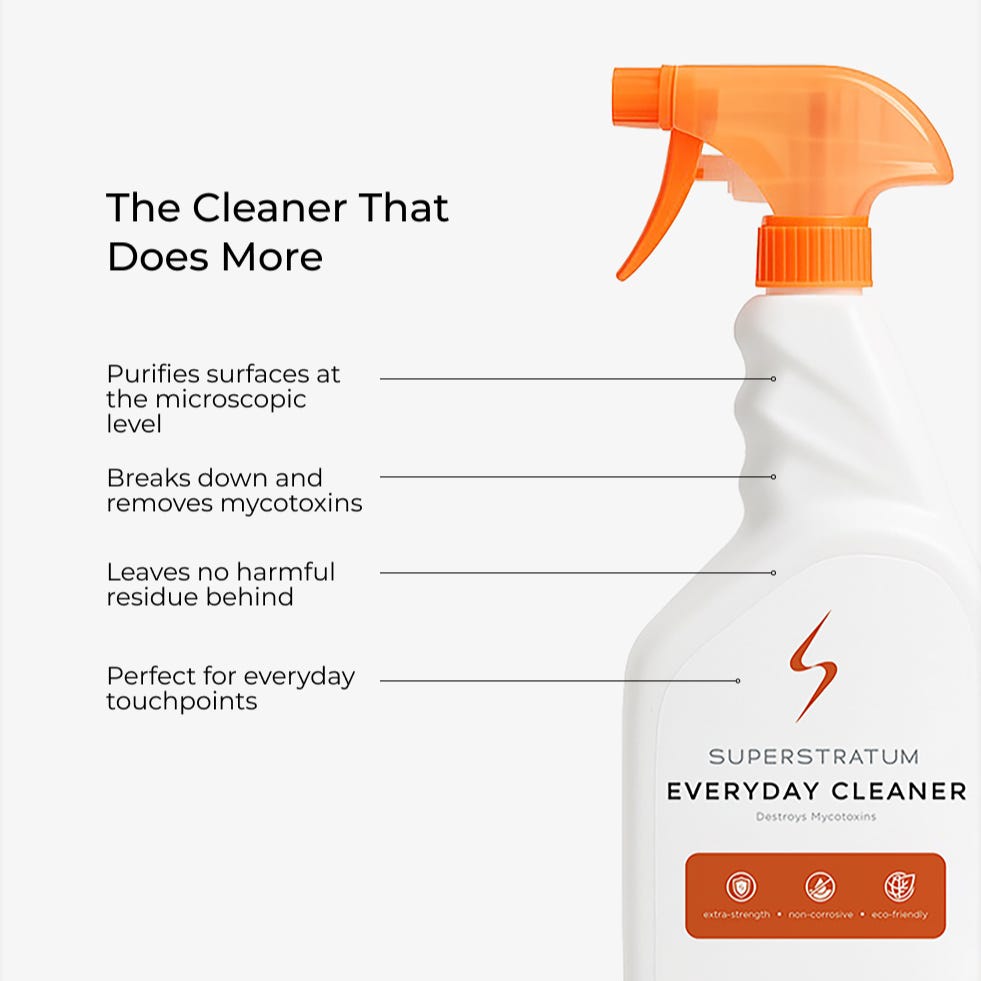
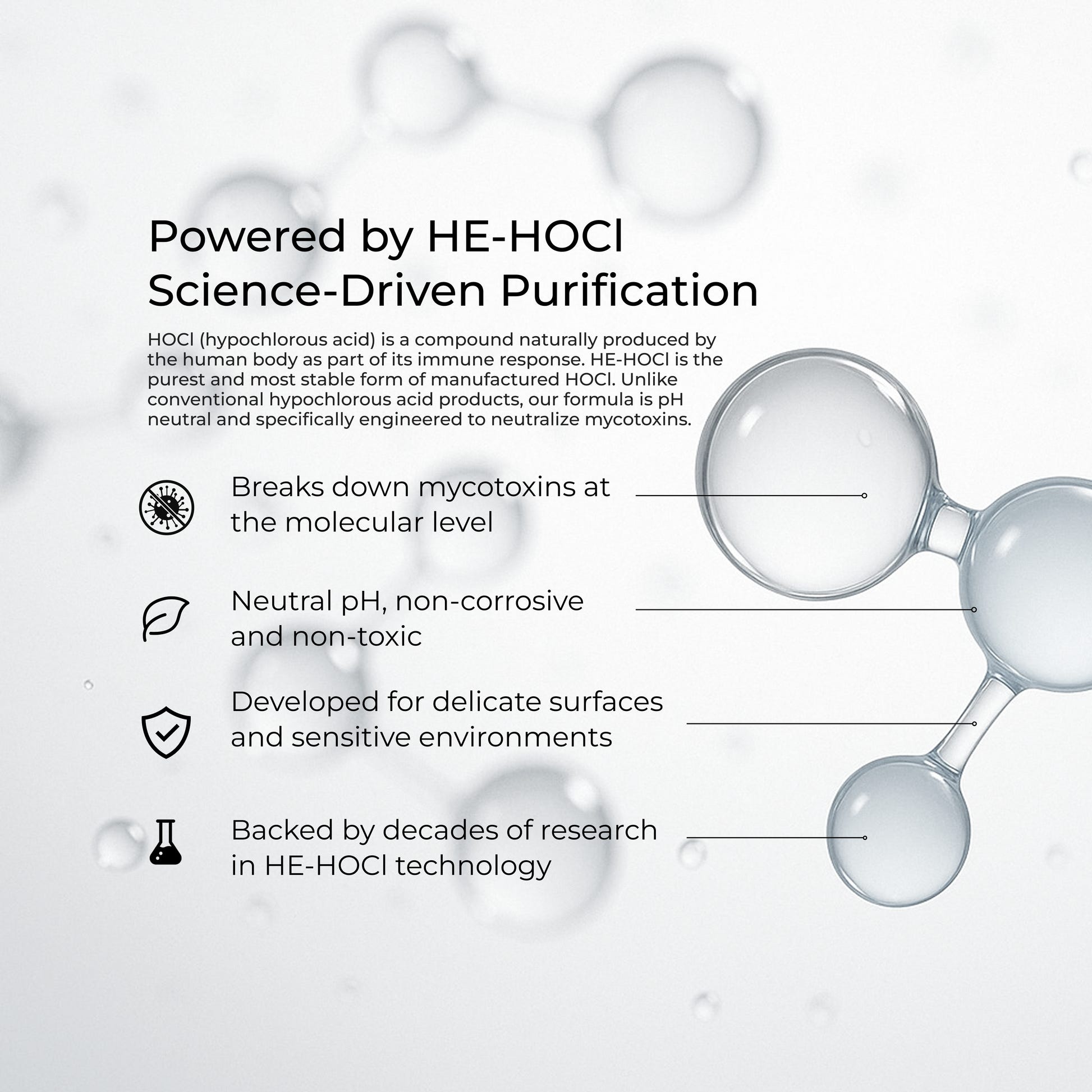
Their whole protocol is basically three steps: Clean, Gas, Coat. Clean is their fogging sprays, lab tested to destroy 95% of mycotoxins. Gas is their Deodor Bombs, a ClO2 gas that gets into spots you can’t physically wipe down. Coat is their Endurance Coating, an invisible film that keeps mold from coming back, and it can hold up for years in the right spots.
They also sell wipes, test kits, and bug defense sprays. It’s all DIY, so you’re not stuck with mold remediation contractors who are crazy expensive, and sometimes a little sketchy. Check out some of their products here (no affiliation):
https://shop.superstratumlabs.com/
Vacuum
I have always loved vacuuming ever since I was a little kid; there’s something about it that my OCD loves. One thing people don’t realize is that carpets are air filters: they trap debris and hold it there until you kick it back up by walking on it. When you vacuum, you capture all that junk. The big stuff gets stuck in the bag or chamber, while the small stuff, often the worst offender, gets recirculated back into your air, like mycotoxins.
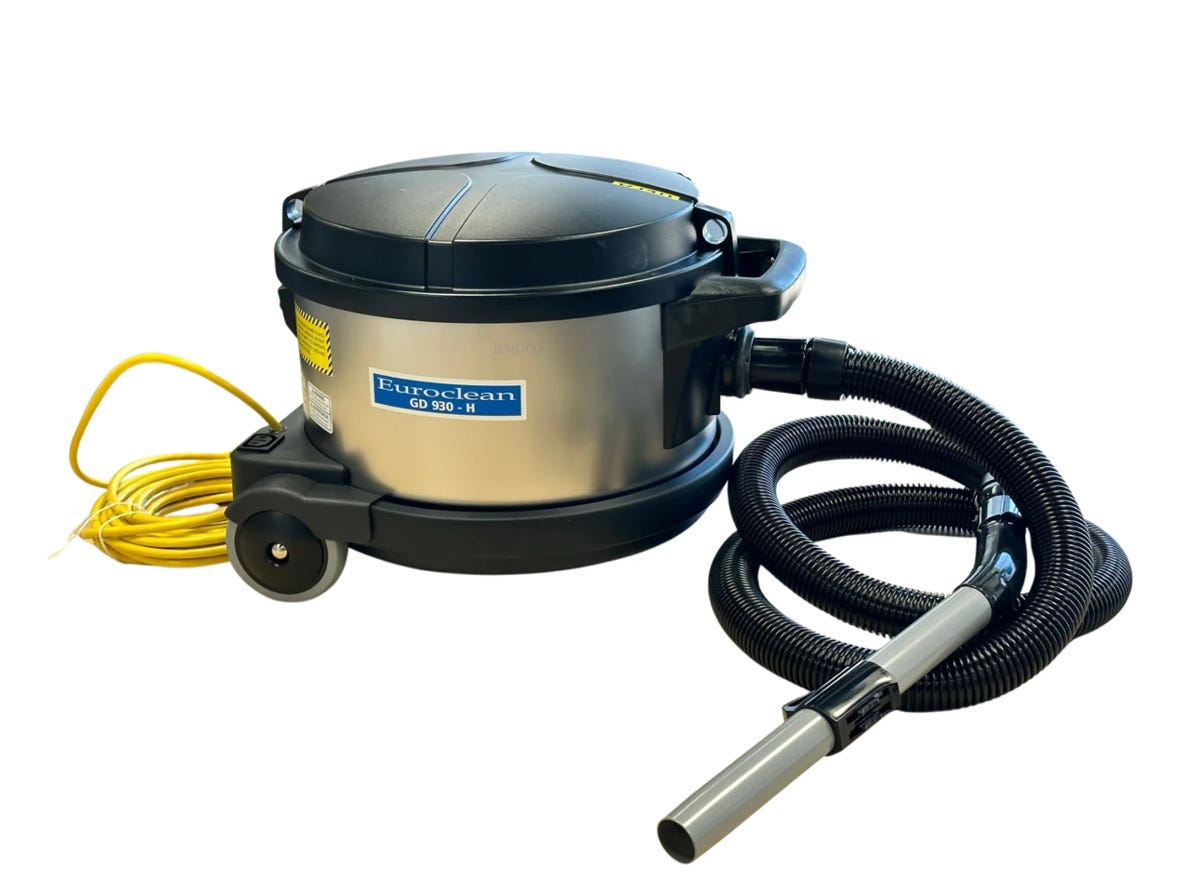
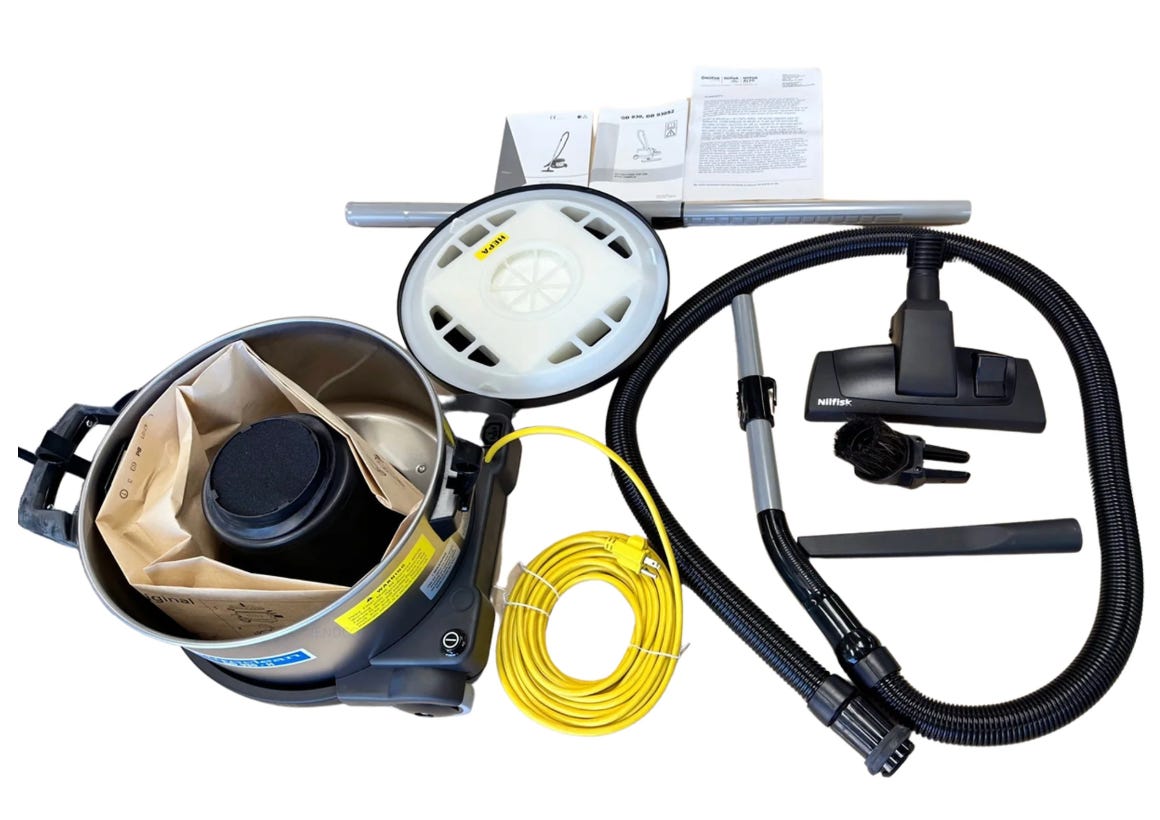
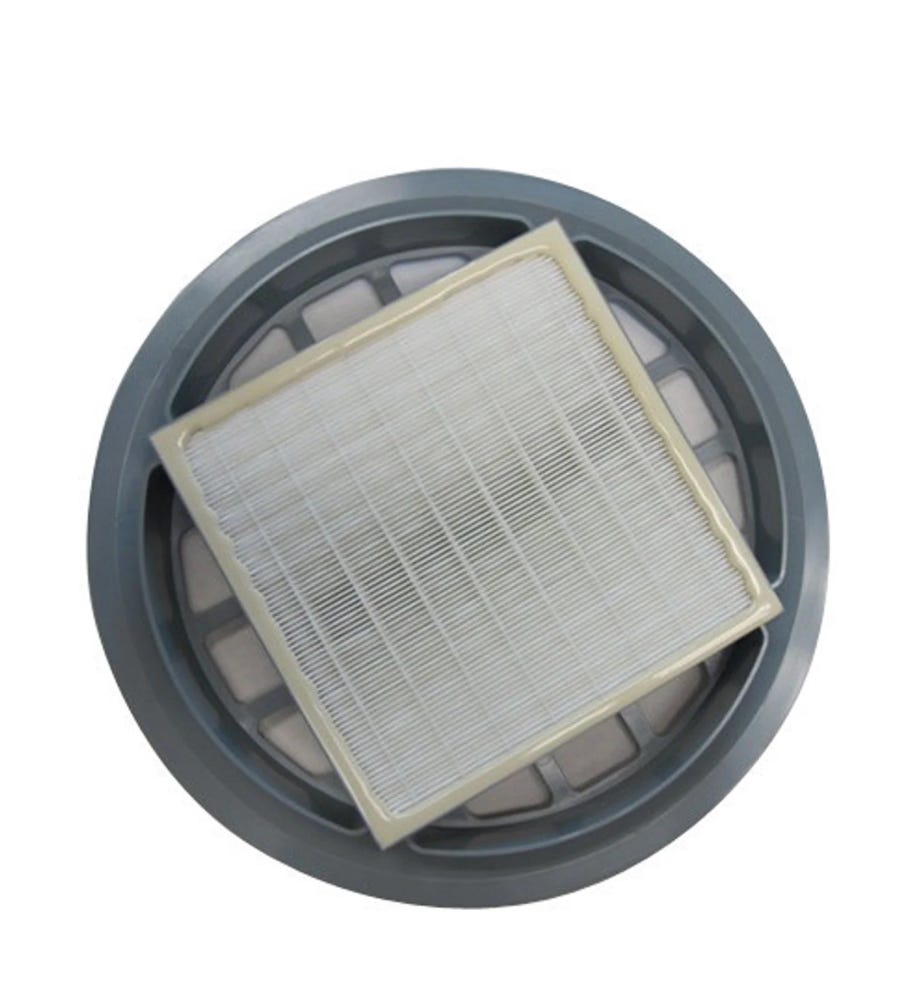
So I use a European vacuum with a giant HEPA filter and vacuum bags. It’s super powerful cause it’s corded; I can’t stand cordless vacuums, they stink. It filters your air and uses vacuum bags, which are way better for trapping particulates. The one I purchased is used by mold remediation guys; it’s called the Nilfisk Euroclean GD930 HEPA PRO.
Humidity Sensor
A simple humidity monitor that costs five bucks can tell you more about your mold risk factor than anything else. You ideally want your humidity around 55%; the higher that climbs, the better chance mold has to thrive. You might ask, what about a dehumidifier? Well, keep in mind a dehumidifier can be a massive breeding ground for mold, so choose wisely. I personally haven't found one I'm too confident about, however you can employ some of the strategies above in conjunction with the dehumidifier, like a UV light, bi-polar ionizer, and air filter.
Curious how much mold or mycotoxin exposure your body is actually carrying? A urine mycotoxin panel can give you real numbers instead of guessing, and I can point you to one through Fullscript's lab partners. If you want help making sense of your results and building a wellness strategy around them, let's talk. Or check out littlewaycoach.com.
Apartments & Window Units
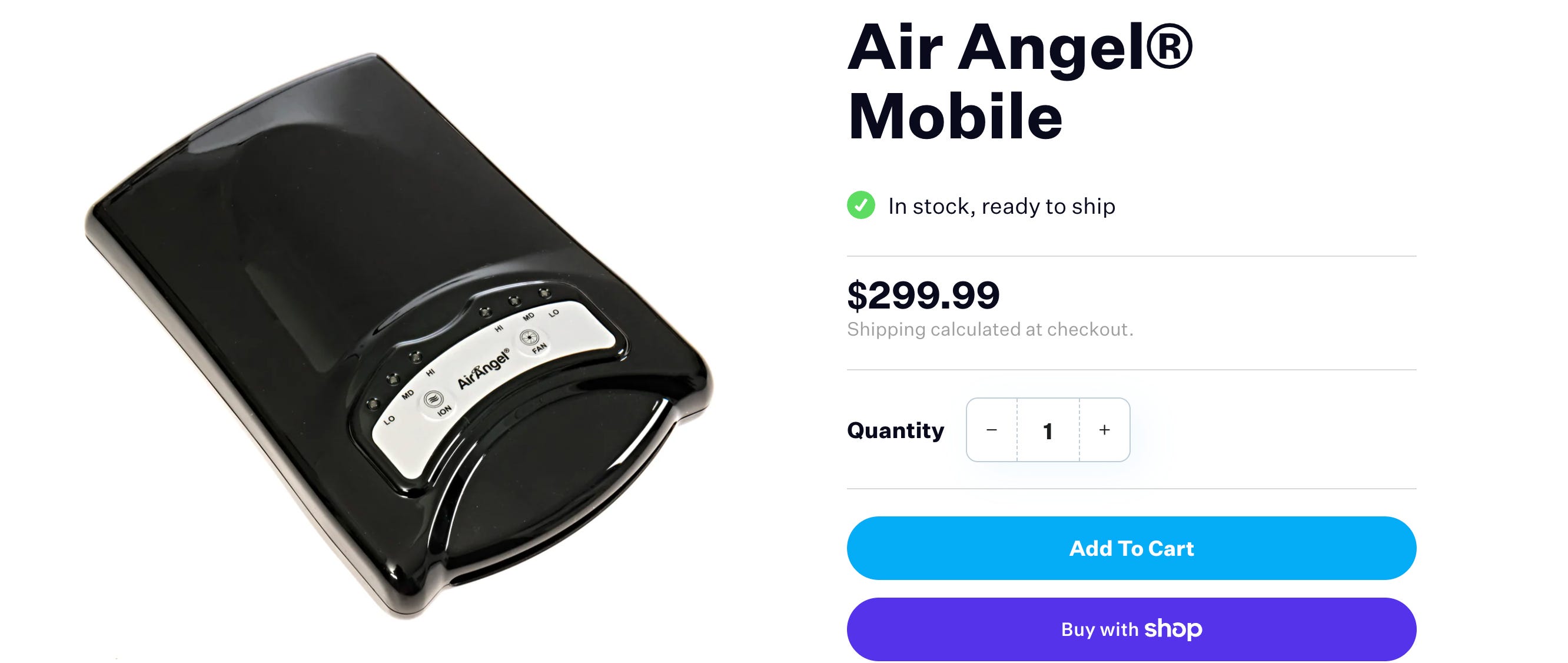
Lastly, if you live in an apartment or somewhere you can’t control your HVAC unit, or you have window units, think about putting a portable bi-polar ionizer where the air is getting sucked in, like a return vent or the intake on a window unit. This will help keep mold low when you don’t have too many options. This one is great from Hypo Air, the parent company to Air Oasis. You could even put an Air Oasis unit near those sources too, as it blows out ions.
https://hypoair.com/products/upgraded-air-angel-mobile
Take your air quality seriously. I would rather have someone spend money on improving their air quality before buying supplements or biohacks. Why spend thousands on that stuff if your air is disgusting and harboring mycotoxins…
Till next time,
Scott
Disclaimer: This content is for informational purposes only and should not be considered medical advice. All opinions expressed are my own and not intended to replace professional medical guidance.