


My last article on heavy metals health kicked off the ‘hidden triggers’ series, where I go into how heavy metals can be a root cause of chronic issues like autoimmunity, gut dysfunction, liver damage, and even cancer!
In this article, I will be focusing on that nasty black stuff in your bathroom shower and HVAC unit that 99% of people brush off: mold. Most people think of mold as harmless, yet plenty of research and my own anecdotal experience point to it as harmful for your health.
I remember in 1st grade doing an experiment where we left damp bread in a plastic bag inside our desk cubby over winter break. The point was to see how, even though we couldn’t see the mold, with the right conditions, mold would magically appear.
To a first grader, it was a pretty fun experiment, and months after completing it, the inside of my desk still smelled weird, and I still remember the smell to this day.
Mold Is Everywhere
Many of us are repeating the experiment daily with our tightly plastic-wrapped energy-efficient homes, with air conditioning, dust, and dampness, all of which are nice and tightly trapped in our homes.
While mold is a natural fungus and is ubiquitous in our environment, the defense metabolites it produces, called Mycotoxins, are extremely dangerous.
These serve as chemical defense systems protecting the mold from competing bacteria, fungi, plants, or insects. Mold is a competitive bugger, and its mycotoxins will prevent anything from touching its food source.
For example, Fusarium mold, found on plants like wheat and corn, produces mycotoxins that weaken the plant’s immune defense systems, allowing it to thrive unthreatened. Not too dissimilar from many animals or insects that inject their prey with poison before eating them.1
Mold is a creepy organism; it fluctuates between dormancy and life. Even years after being ‘dead,’ it can be brought back to life with the proper conditions. While dormant, it is still dangerous to be around, and poses many of the same harmful effects when active.
It’s a real-life zombie (no wonder mold ridden Florida is so wild).
Whenever I talk with folks who downplay mold, I encourage them to crack open their HVAC unit, or any air conditioning unit they have, and see how much mold is caked in there.
When I moved into my current home, I spent an hour scraping mold out of my HVAC unit. Yet, the prior owner was a neat freak and kept her house in pristine condition, but even then, I was in my utility room, scraping out some nice slimy black mold.
For the average American, who spend 90% of their time inside (that’s insane!), and with indoor dampness and mold affecting up to 50% of homes( higher percentage if you are in the south), exposure adds up pretty quickly which poses a serious problem.2
Because our homes are built for energy efficiency and not breathability and circulation, mold grows in:
Rooms with lots of humidity, like bathrooms (showers, tubs, sinks), kitchens (under sinks, in/around dishwashers), and laundry rooms.
Damp structural areas: Basements, crawl spaces, attics, and around leaking pipes or windows.
Hidden spots: Behind wallpaper, under carpets, inside HVAC ductwork, and within wall cavities.
Best of all, every square inch of our homes are covered with drywall. Drywall is porous, absorbs lots of water, and has a paper backing and facing (cellulose yummy for mold). It’s like a mold buffet.
A Heavy Burden
Writing off mold as a nothing burger isn’t something I would suggest. People’s lives get turned upside down after living in mold. Just look at how Mikhaila Peterson & Chris Williamson dealt with it.
Spend a couple of minutes on the internet looking at people who lived in mold and how their health took a turn for the worse.
Ask a client of mine who spent the past year dealing with the fallout from mold exposure; only being able to tolerate beef stew, heavy weight gain from the intense inflammation, skin issues, brain fog, and mental fatigue from being sick!
Thankfully, she can now eat pretty normally, has dropped over 35 pounds of weight and inflammation, and has effectively cleared all her mycotoxin burden, all after working with her for 5 months. She is a superstar client too.
Point being: it’s very real, it causes damage, and you sure don’t want to live with it.
So why are mycotoxins so bad?
Chronic Inflammatory Response Syndrome (CIRS) was coined by Dr Richie Shoemaker following the 1996 outbreak of the biotoxin Pfiesteria in Maryland waterways.
It’s described by the intense and persistent innate immune response, think first line of defense immune system, that causes chronic inflammation.
It’s usually triggered by biotoxins like mycotoxins, and some studies have pointed to “at least 52.1 million persons are predisposed to developing CIRS from exposure to water-damaged buildings (WDB) in the United States. With an estimated 50% of the buildings in the U.S. being water-damaged.”3
25% of people have a genetic predisposition to developing CIRS; hence, why two people can live in the same house, and only one of them becomes reactive. 4
Gut Health
What seems to go first in many chronic illnesses is gut health. Indigestion, bloating, diarrhea, or constipation; basically, what I would call SIBO/Dysbiosis-like symptoms.
Similar to heavy metals, the microbiome plays a big role in how we deal with mycotoxins. A healthy microbiome helps excrete, break down, and neutralize mycotoxins. Yet, a dysbiotic microbiome leaves the gut lining vulnerable for mycotoxin damage.5
For the most part, you might even have a healthy gut, but if you’re exposed to mycotoxins long enough, eventually that burden will become too much for the microbiome to handle.
The synergy between a healthy microbiome and a healthy immune system also goes hand in hand. It’s always amazing seeing these dynamics play out in the body: a beautiful yin-yang relationship. But go too far in one direction, and it’s hard to regain balance.
If mycotoxins disrupt the microbiome too much, our body’s immune response goes haywire. If our immune system is compromised, we have a harder time managing the microbiomes in our gut. If we can’t manage the microbes, we lose the ability to handle mycotoxins, and if we can’t handle mycotoxins, well, we are SOL I guess.
If you know anything about L. reuteri, you would know it’s a heavy hitter and a microbe you want on your side. Helps manage SIBO by producing antimicrobial compounds, supports gut barrier integrity, modulates immune response, and helps regulate inflammation.6
Regarding mycotoxins & L. reutri, researchers examined how a specific mycotoxin, Ochratoxin A (OTA), affected microbes; they noticed that after a SINGLE week of exposure, L. reutri “permanently disappeared at the end of the OTA treatment period”.7
Not only that, but bifidobacteria, short-chain fatty acid-producing bacteria (think butyrate), were taken to the woodshed, resulting in a drop in SCFAs (the fatty acids your colon uses for energy).
Trichothecenes, a mycotoxin from black mold/Fusarium, exerts one of the more aggressive attacks on the gut. Responsible for shortening the intestinal villi (the structures in your gut responsible for nutrient absorption), blocking glucose absorption, destroying goblet cells (the cells that produce the mucus layer in the gut), and increasing intestinal permeability by lowering tight junction expression (the things that bind the epithelial cells together).8
What all that means for your health: a suppressed immune system, leaky gut, subpar nutrient absorption, and DNA damage from excessive inflammation, causing one of my favorite sayings, “an epigenetic cascade,” where we express not-so-great genes.
Zearalenone, a mycotoxin from molds found on grains, is a potent estrogen agonist, meaning it mimics estrogen in the body. It also down-regulates the expression of tumor-suppressor genes.9
Estrogen dominance has been well documented for impaired bile function (something I teach all my clients on), enhances the likelihood of cancer, decreased fertility, cardiovascular issues, and a million other issues.
In my experience, impaired bile has downstream effects on detoxification and major implications for SIBO and dysbiosis.
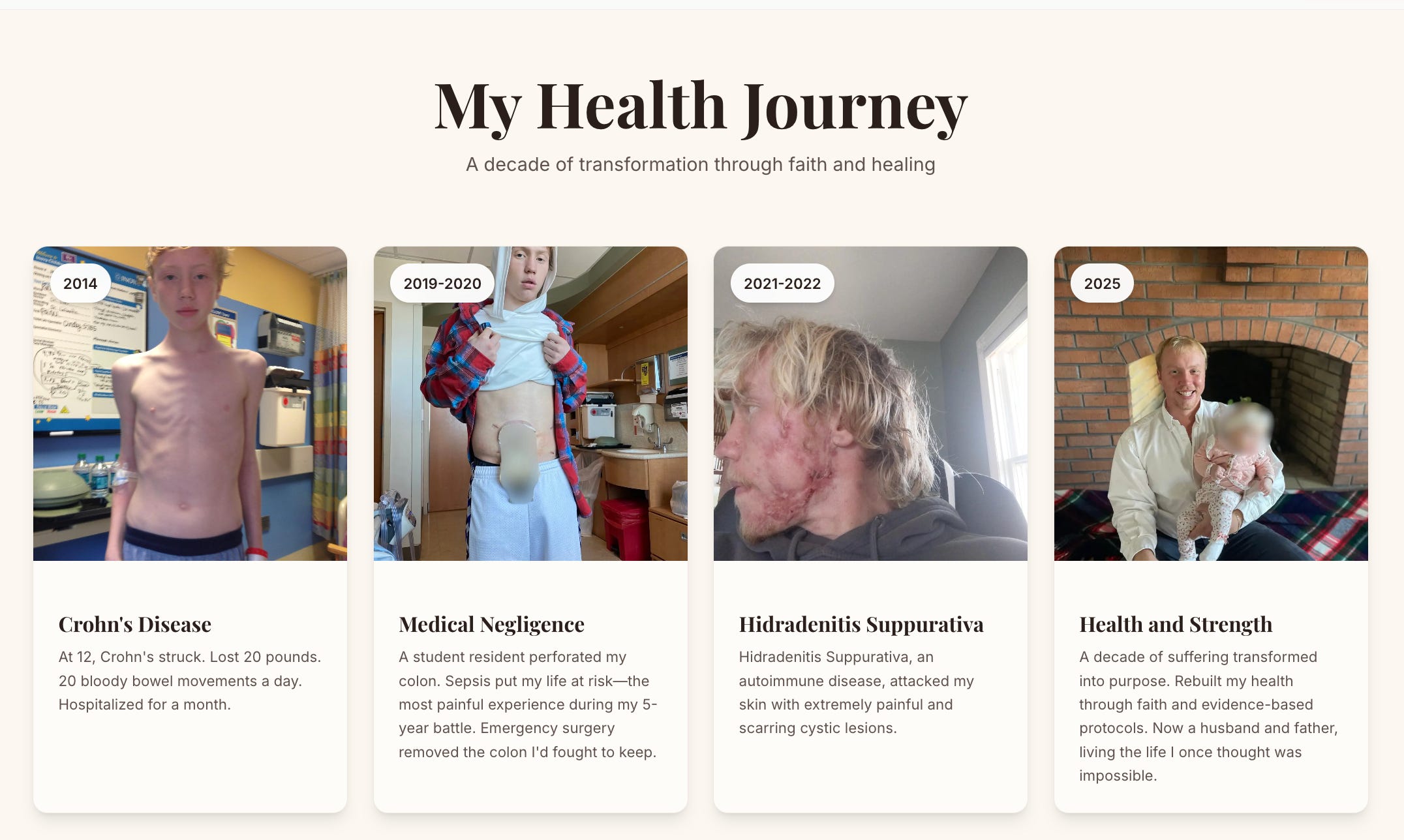
If you've been sick for years, tried everything, and still have no answers, that's exactly who I work with.
Come read my story, see if it sounds familiar, and book a free consult. It costs you nothing but 20 minutes. Visit littlwaycoach.com to book your consult!
Fumonisins, found on many plants, have been linked to esophageal cancer, cause cell death in the intestinal lining, suppress overall immune response in the gut, and damage the intestinal lining. 10
Something I always harp on to clients is that gut health is downstream of many issues; if you are not addressing the mycotoxin burden you may have, how can you expect to get your gut health in order?
Once that negative feedback loop I mentioned earlier gets going, it gets messy really quickly in the gut.
Beyond the Gut
The damage from mycotoxins doesn’t just live in the vacuum of the gut; rather, it affects other organs like the liver, brain, cardiovascular system, and thyroid.
Patients who had a history of mold exposure and hypothyroid symptoms, cognitive issues, and chronic fatigue were treated with the standard levothyroxine (T4) approach, yet saw almost no improvement whatsoever with the T4.
Why? Mycotoxins impair the conversion of inactive T4 into active T3, leaving people functionally hypothyroid with “normal” labs.
They then treated these patients with active T3 and DHEA. Those who responded well to the treatment had been removed from mold exposure, “those who had residual symptoms... remained exposed to indoor air molds in their workplaces”.11
An interesting connection given how many people suffer from Hashimoto’s/thyroid issues.
Cardiovascular health is another big one for mold. One review explains that certain mycotoxins can directly damage your vascular system by “weaken[ing] veins and arterial walls”. 12
Mycotoxins have been shown to cause endothelial cell swelling, thickening of coronary arteries, arrhythmias, hypotension, and even heart failure.
Just like we talked about with mycotoxins and gut integrity, the same concept applies to the vascular system. If you break down the tight junctions holding the endothelial cells together, we get permeability within the vascular system.
Poor integrity equals poor circulation. Leaky pipes make bad pipes. Low VEGF signals poor tissue perfusion and is one reason it’s such an awesome marker with mold-exposed folks; it tells you the vascular damage is real and measurable.
Further, mycotoxins elevate several inflammatory cytokines and markers like IL-6, IL-8, TGFb (an important one in Dr Richie Shoemaker’s protocols), and lower one of the body’s most vital antioxidant and detoxifying molecules, glutathione.13
This is fundamental in the CIRS line of thought: mycotoxins spike inflammatory markers, which lead to depleted glutathione, which creates a cycle of further chronic inflammation.
Commonly, CIRS is mixed with mast cell activation syndrome (MCAS). Mast cells, a type of immune cell involved in the innate immune response, controlling the first line of defense, get set off.
When mast cells get chronically triggered, the result is MCAS, and the symptom list is all over the place14:
Skin: flushing, urticaria, angioedema.
GI: abdominal bloating/cramping/pain, nausea, vomiting, diarrhea.
Respiratory: wheezing, chest tightness.
Nasocular: pruritus, nasal stuffiness conjunctival injection.
Cardiovascular: hypotension, tachycardia, chest pain/tightness.
Brain: brain fog, headache.
Systemic: fatigue, anaphylaxis.
What’s even more interesting is connecting some of this to autoimmune. I don’t believe in autoimmune; I believe in triggers and poor terrain (much of which I teach in my program).
When the body is overwhelmed long enough, the immune system loses its ability to tell friend from foe.
Here’s a digestible connection: naive T cells go to the thymus to get educated, to learn self from non-self. Regulatory T cells (Tregs) come out of that process and act as the immune system’s referee, keeping things from going off the rails.
But when mold-driven MCAS is in the picture, mast cells flood the body with inflammatory cytokines like IL-6, TGF-β, IL-21, and IL-23, which happen to be the exact cocktail needed to convert those naive T cells into Th17 cells instead of Tregs.15
You’ve essentially hijacked the education system. Instead of turning out referees, you’re turning out soldiers ready for battle.
When you look into it, the connection between mycotoxin exposure and autoimmune diseases seems logical. A CIRS reaction launches the immune system into overdrive, gut health declines, MCAS ensues, and a confused immune system starts confusing friend from foe.
Amongst a million other things happening with mycotoxin exposure.
Book a free consult with me here: https://calendly.com/scott-littlewaycoach/30min
I will say it again, I don’t believe in autoimmune. I told that to a surgeon with 30+ years in gastro surgery, the same surgeon who took my colon out, and she laughed at me.
I pressed her on the root causes of Crohn’s and IBD, and she admitted ‘it must be something in the environment’.
A couple of questions here:
1. How are you a surgeon of 30+ years with way more education than me, and can barely answer as to possible environmental factors playing in autoimmune?
2. This doesn’t really seem like rocket science. If you spend some time looking at research, you can connect some pretty strong correlations.
3. What are they teaching you in medical school?
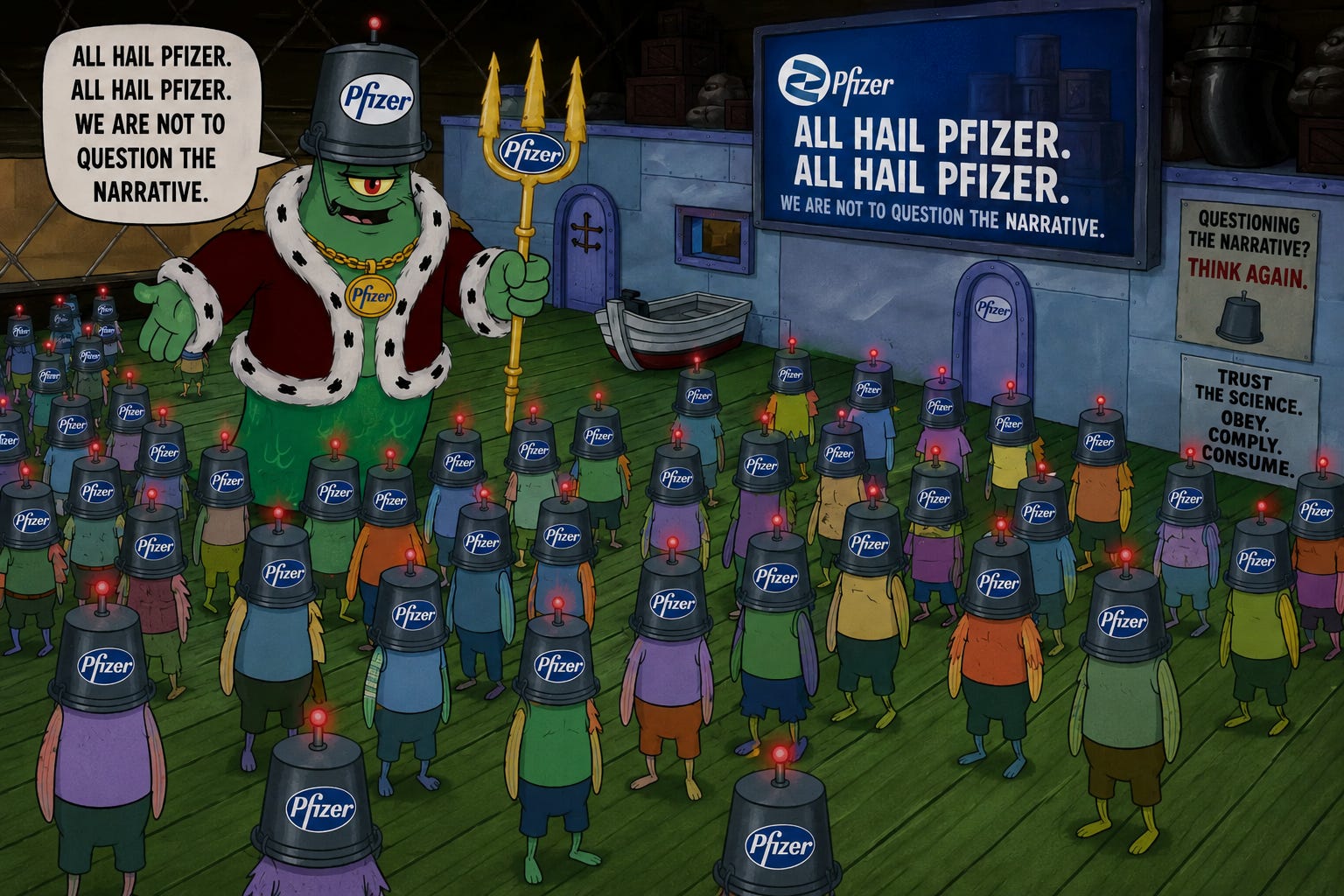
It’s like the scene from the 2004 SpongeBob movie where Plankton puts mind control buckets on everyone in Bikini Bottom. They turn into his slaves, droning around saying “all hail plankton” over and over again.
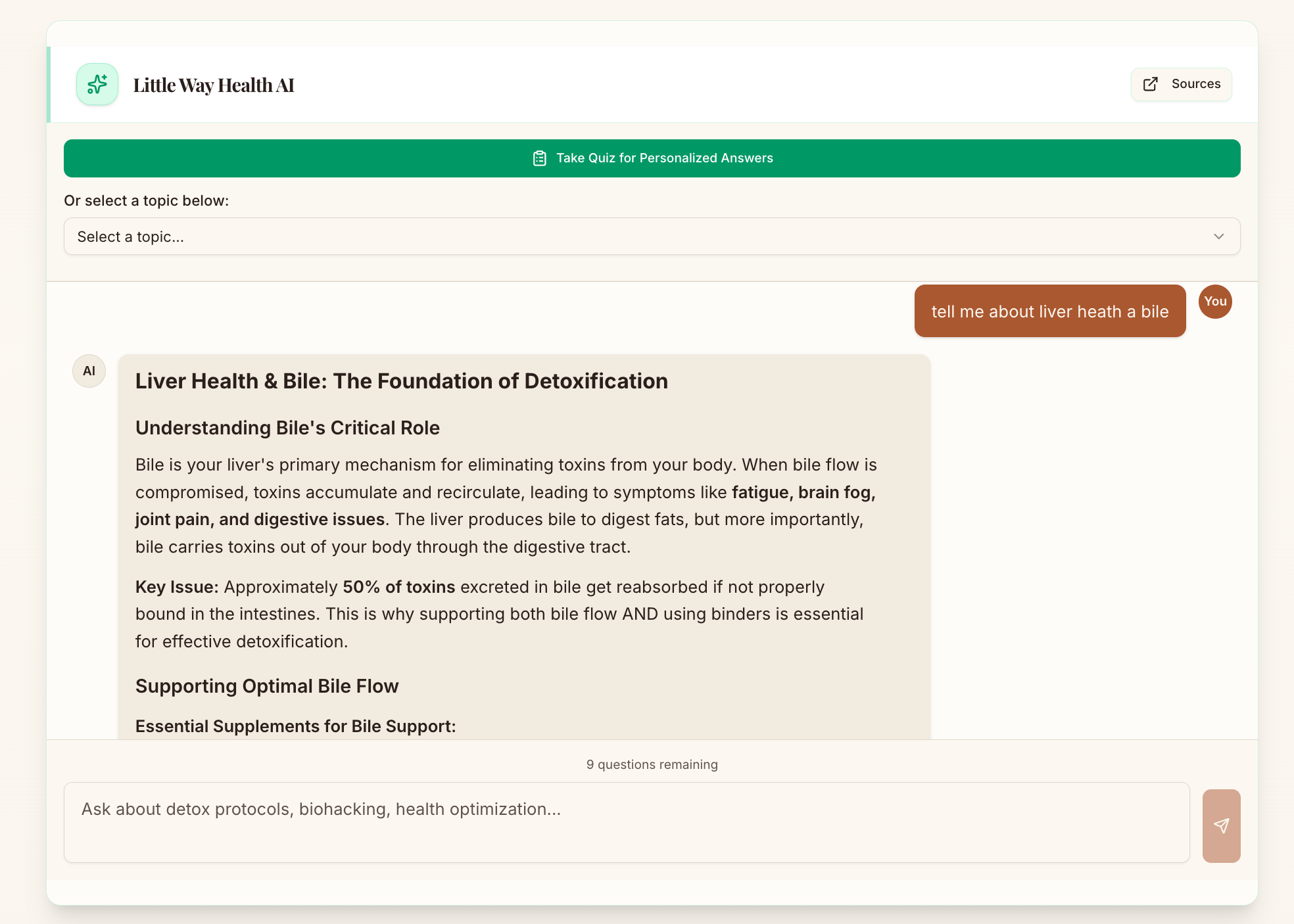
I built a free AI tool that knows more about mold than most people ever will. Use it. It's free. Visit Littlewaycoach.com and ask about mold!
It’s like that, but: “all hail Pfizer, all hail Pfizer, we are not to question the narrative”. Why not question the narrative? Maybe you would get better outcomes for your patients, instead of ending up like me, who spent years of agony connecting all this.
You could walk into a doctor’s office covered in black mold, and they would gaslight you and call you an idiot for believing mold could harm you.
In fact, they did this exact thing with my brother, who walked on a NEST OF TICKS, got Lyme disease, and ended up in the hospital. The doctor called him an idiot and told him Lyme disease wasn’t real.
Point being, think for yourself!
Wrap up
Because I want to create an extensive series on these topics, I will not go too deep into remedies, but I will give you stuff that has worked very well for clients with mold. Below are some of my x posts on compounds I have used for mold:


If you made it this far, you already know more about mold than most doctors do.
The compounds I linked above are what I like using when dealing with mold. I threw them all into one spot on my Fullscript so you can grab them at 25% off automatically. Here is your link:
https://us.fullscript.com/plans/sklein1767385193-mold-and-mycotoxin-support-protocol
No sorting through Amazon garbage. Just the stuff that works, practitioner grade. Click the link and bre brought to the plan, after you join my dispensary.
Lastly book a free consult with me here: https://calendly.com/scott-littlewaycoach/30min
Till next time,
Scott
Disclaimer: This content is for informational purposes only and should not be considered medical advice. All opinions expressed are my own and not intended to replace professional medical guidance.
https://www.frontiersin.org/journals/fungal-biology/articles/10.3389/ffunb.2026.1784634/full
https://www.epa.gov/report-environment/indoor-air-quality
https://pmc.ncbi.nlm.nih.gov/articles/PMC11623837/
https://pmc.ncbi.nlm.nih.gov/articles/PMC11623837/
https://pmc.ncbi.nlm.nih.gov/articles/PMC7761905
https://pubmed.ncbi.nlm.nih.gov/38197892/
https://pubmed.ncbi.nlm.nih.gov/23993484/
https://pmc.ncbi.nlm.nih.gov/articles/PMC5834427/
https://pmc.ncbi.nlm.nih.gov/articles/PMC5834427/
https://pmc.ncbi.nlm.nih.gov/articles/PMC8619365/
https://pmc.ncbi.nlm.nih.gov/articles/PMC5545575/
https://www.researchgate.net/publication/305482747_Mycotoxins_that_Affect_the_Human_Cardiovascular_System
https://pubmed.ncbi.nlm.nih.gov/17161924/
https://pmc.ncbi.nlm.nih.gov/articles/PMC11881543/
https://pmc.ncbi.nlm.nih.gov/articles/PMC4402170/
I relate to this and how debilitating it can be. A bit about my story here in case you are curious - https://kaylasalata.substack.com/p/what-was-wrong-with-me
Great article! Would love some information on how to test to see if you may be impacted by mold/mycotoxins. Blood markers, MycoTox(?), etc.
I would think you would want to understand if mold exposure may be part of the picture before starting to throw supplements at it. And would have a measurable baseline if it turns out it is involved.